Ceramic Coatings & Paint Sealants
There are many exaggerated claims online regarding ceramic coatings. We believe in providing clear, realistic advice. Modern coatings can help preserve paint gloss and reduce wash times, but they are not an indestructible shield.
What a Ceramic Coating Actually Does
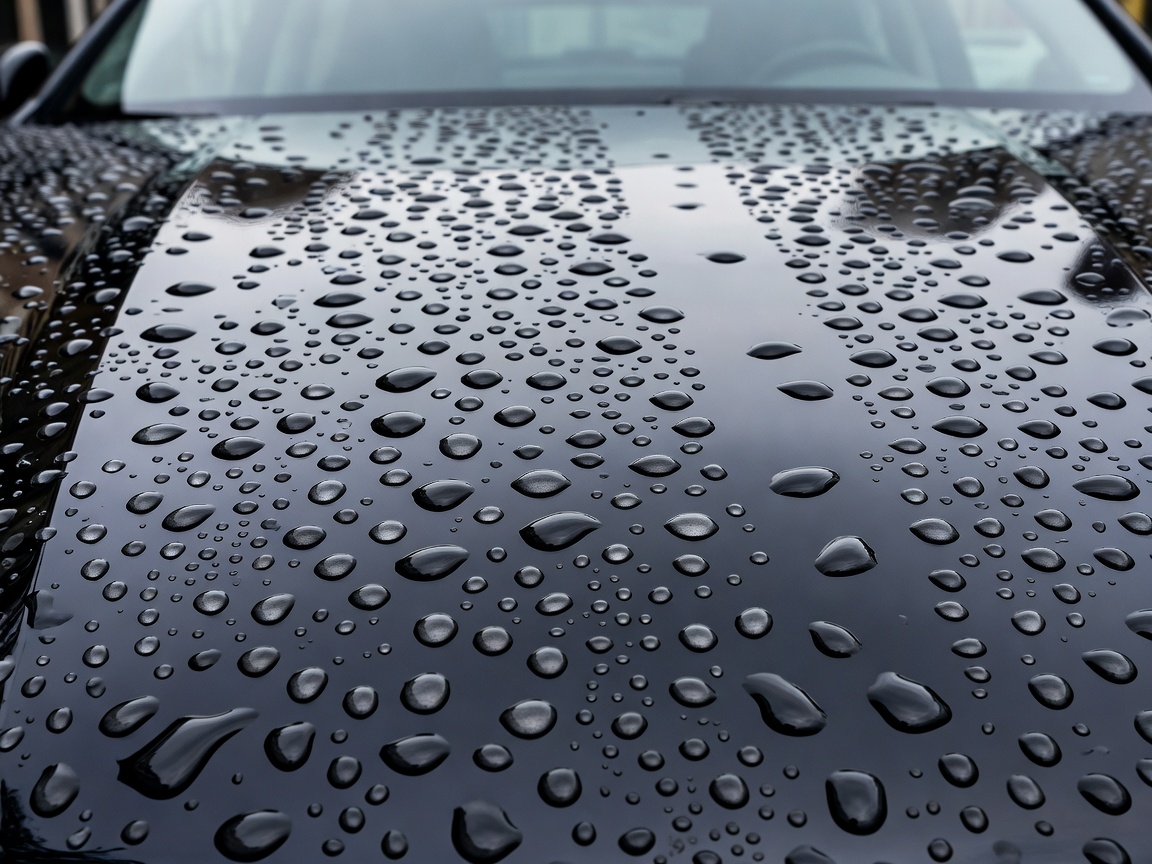
A ceramic coating is a liquid polymer composed of silicon dioxide (SiO2). It chemically bonds with your vehicle's clear coat to form a highly slick, hydrophobic top layer. This surface repels water, mud, and dust, meaning road film struggles to stick and is washed off much more easily.
Crucial Realism and Cautions
We make no claims of "permanent protection" or immunity to scratches. A ceramic coating will NOT protect your car from high-velocity stone chips, nor will it prevent swirl marks if washed using automated brush car washes. It simply acts as a sacrificial, chemical-resistant barrier.
Durability Variables
How long a ceramic coating or synthetic polymer sealant lasts on your paintwork depends on several environmental factors:
- Preparation: The coating requires extensive polishing and degreasing to bond correctly. Improper prep reduces lifespan.
- Mileage & Road Conditions: Commuting long distances on salted UK motorways accelerates wear on the front bumper and sills.
- Storage: Vehicles garaged overnight experience less UV and acid rain exposure, extending coating life.
- Maintenance Routines: Washing with harsh, highly alkaline household soaps can degrade the coating prematurely.
Which Sealant is Right for You?
Carnauba Wax
Provides a warm, wet-look gloss. Typically lasts 4 to 8 weeks. Excellent for weekend classic cars.
Synthetic Polymer
Better chemical resistance than natural wax. Lasts 3 to 6 months. Great for winter road salt preparation.
SiO2 Ceramic Coating
Highly hydrophobic and durable. Requires multi-stage machine polishing prior to professional application.